
✨ Welcome to the Circus: Where Every Kid Is the Star of the Show! ✨

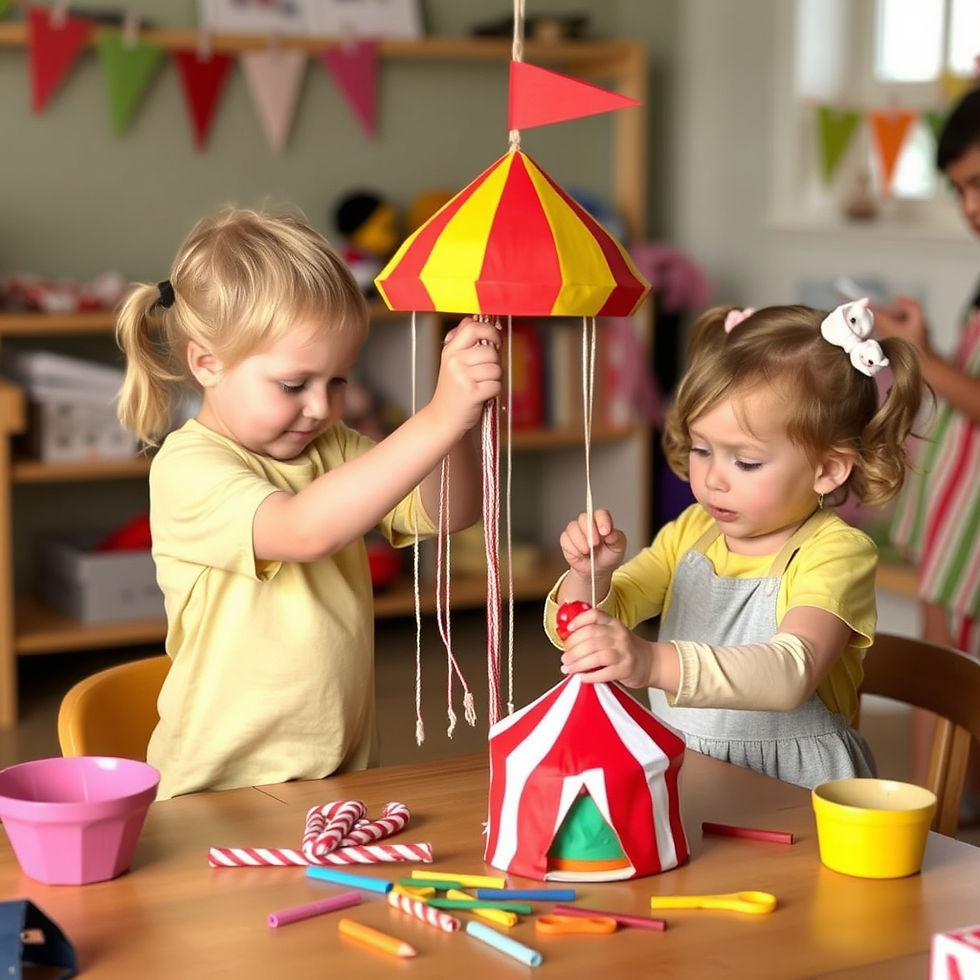
Our clinic just wrapped up an exciting circus week filled with creative therapy activities designed to engage children in speech, occupational therapy (OT), and physical therapy (PT). The circus theme brought energy, fun, and a variety of hands-on experiences that helped children develop essential skills while enjoying themselves. This post shares some of the best crafts, snacks, sensory play ideas, and simple activities that families can try at home to continue supporting their child’s growth.
Speech Therapy Activities Inspired by the Circus
Speech therapy often focuses on improving communication skills, including articulation, vocabulary, and social interaction. The circus theme offers many playful ways to encourage speech practice.
Animal Sound Mimicry
Use stuffed animals or pictures of circus animals like lions, elephants, and monkeys. Encourage your child to imitate the sounds each animal makes. This helps with voice modulation and sound production.
Ringmaster Role Play
Create a simple ringmaster hat using paper and let your child take turns giving commands or narrating a circus show. This activity promotes sentence formation, expressive language, and confidence in speaking.
Clown Joke Time
Share simple, age-appropriate jokes or riddles related to the circus. Laughing together encourages social communication and turn-taking.
Storytelling with Circus Props
Use circus-themed props such as juggling balls or scarves to inspire your child to tell a story. This supports narrative skills and sequencing.
Occupational Therapy Crafts and Fine Motor Skills
Occupational therapy often targets fine motor skills, hand-eye coordination, and sensory processing. Circus-themed crafts are perfect for engaging these areas.
Paper Plate Clown Faces
Provide paper plates, markers, yarn, and glue. Children can create clown faces by drawing features and adding yarn for hair. This craft improves scissor skills, grasp, and bilateral coordination.
Juggling Ball Making
Fill balloons with rice or beans and tie them off to make juggling balls. Kids can practice squeezing and tossing, which strengthens hand muscles and coordination.
Tightrope Walking Line
Use painter’s tape to create a “tightrope” on the floor. Children can practice balancing by walking heel-to-toe along the line, improving core strength and balance.
Circus Tent Sensory Bin
Fill a bin with colored rice, small circus figurines, and textured materials like fabric scraps. This sensory play encourages tactile exploration and fine motor manipulation.
Physical Therapy Activities for Strength and Coordination
Physical therapy focuses on gross motor skills, strength, balance, and coordination. Circus-themed games and exercises can make therapy feel like playtime.
Animal Walks
Encourage your child to move like circus animals: bear crawl like a bear, hop like a frog, or tiptoe like a tightrope walker. These movements build strength and coordination.
Ball Toss Games
Use soft balls to practice throwing and catching. Set up targets like buckets or hoops to improve aim and hand-eye coordination.
Obstacle Course
Create a simple course with cones, tunnels, and balance beams. Children can crawl, jump, and balance through the course, enhancing motor planning and endurance.
Hula Hoop Fun
Use hula hoops for spinning, jumping in and out, or rolling on the floor. This activity promotes core strength and spatial awareness.
Healthy Circus-Themed Snacks
Snacks can be both fun and nutritious, fitting the circus theme while supporting sensory needs and fine motor practice.
Popcorn Snack Bags
Serve air-popped popcorn in small bags decorated with circus stickers. Eating popcorn encourages chewing and oral motor skills.
Fruit Skewers
Thread colorful fruits like grapes, berries, and melon onto skewers to mimic circus flags or juggling pins. This helps with pincer grasp and hand-eye coordination.
Animal-Shaped Sandwiches
Use cookie cutters to make sandwiches shaped like circus animals. This adds excitement to mealtime and encourages self-feeding skills.
Rainbow Veggie Cups
Fill small cups with layered colorful vegetables and a dip. Kids can practice dipping and finger feeding.
Sensory Play Ideas to Engage the Senses
Sensory play supports regulation, focus, and motor skills. Circus-themed sensory activities can be calming or energizing depending on the child’s needs.
Sensory Ball Pit
Fill a small inflatable pool with plastic balls. Children can jump in, crawl through, or hide toys inside. This provides deep pressure input and vestibular stimulation.
Bubble Wrap Stomp
Lay out bubble wrap and let kids stomp to pop the bubbles. This activity offers tactile feedback and helps with balance.
Fabric Streamers
Attach colorful fabric strips to sticks or hoops. Children can wave them around to practice arm movements and visual tracking.
Weighted Circus Animal Toys
Use small weighted plush toys for calming deep pressure input during quiet time.
Activities to Continue at Home
Families can keep the circus fun going with simple activities that fit into daily routines.
Daily Circus Storytime
Read circus-themed books together and ask your child questions about the story to build comprehension and vocabulary.
DIY Circus Show
Encourage your child to put on a mini circus performance using toys, costumes, and music. This boosts creativity, social skills, and confidence.
Balance Practice
Use a line of tape on the floor for tightrope walking practice. Challenge your child to walk forward, backward, or sideways.
Snack Preparation
Involve your child in making circus-themed snacks. Measuring, pouring, and stirring support fine motor and sequencing skills.


Comments